
Journal
Limits of BMI: muscle, age, and ancestry
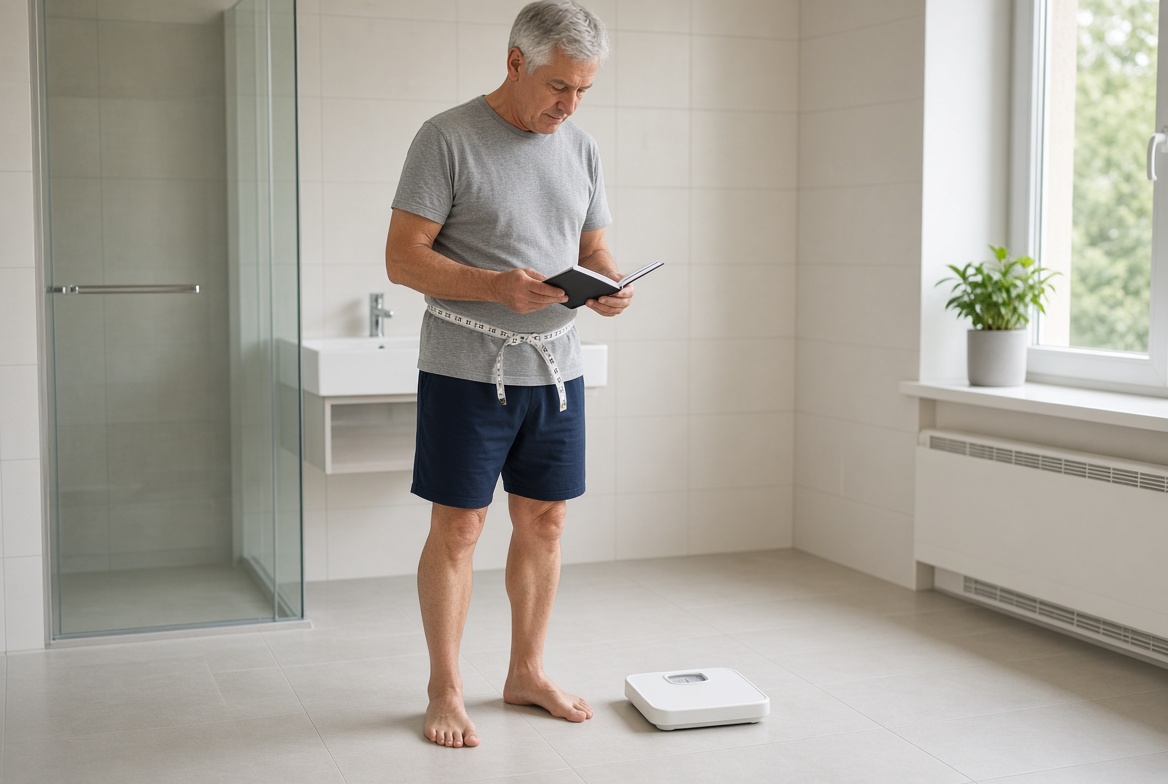
Body mass index assumes that extra kilograms are extra fat. That is often true in population data. It is not always true in a single person standing on a bathroom scale. If you only read one companion piece after using the BMI calculator, read this one.
The formula is honest about what it measures: mass relative to height squared. It is silent about muscle, bone, where fat sits, medicines, oedema, and the decade you are in. Clinics know this and still use the index because it is cheap and comparable. Your job as a reader is to keep the cheap number and refuse to let it become a full medical story.
Who the index over-reads
Strength athletes and some manual workers carry enough lean mass to land in the overweight band with a modest waist. People with higher bone density can see the same lift. Very short and very tall adults sit at the awkward edges of a height-squared model that was never meant as couture.
If that sounds like you, look at waist, walking capacity, and strength before you treat the category as a verdict. The body-fat estimator on this site is itself BMI-based, so it will repeat some of the same error. It is a second screen, not a DEXA scan.
Who the index under-reads
Older adults who have lost muscle and kept the same weight can look “fine” on BMI while function slides. People who carry fat around the waist with a so-called normal BMI can have metabolic risk the index does not display. Pregnancy, oedema, and some hormone conditions move weight without telling you what the extra mass is.
This is one reason we also write about knees and backs. Joint load and walking minutes often describe health in later life more honestly than a ratio from the 1830s.
Ancestry and different cut-offs
Several health agencies note that type 2 diabetes and related risk can appear at a lower BMI in some Asian populations. Other groups have different average muscle and fat patterns. Our calculator does not apply a hidden ethnicity adjustment, because doing that silently would be worse than telling you the limitation out loud. Take the standard adult number to a clinician who knows which chart they use.
What to pair with BMI
- Waist circumference, or waist-to-height ratio, measured at home with a cloth tape.
- How many minutes you can walk on level ground without needing to stop.
- Sit-to-stand quality — the same pattern trained on the mobility pages.
- Blood pressure, glucose, and medicines, which this website cannot see.
- Energy need from the calorie calculator if food intake is under discussion.
Food quality still matters at every BMI. The anti-inflammatory foods list and the meal framework are written as plates, not as punishments for a category.
What we will not do with this limitation
We will not pretend BMI is useless. It remains a decent first look. We will not pretend a web estimator of body fat repairs the gap. We will not sell a cream because a ratio sat above 25. When product explainers arrive on this site later, they will have to live with the same sentence: a screening number is not a shopping list.
A practical way to use the calculator anyway
Run it once. Write the number next to the date and your waist. Repeat in a few months under similar conditions if you and a clinician are watching a trend. Ignore daily wobble. If the number and your walking capacity disagree, believe the walking and book the appointment.
Should athletes ignore BMI?
They should not worship it. They should still know it, then add waist and performance.
Is waist-to-height better?
It adds central fat information BMI lacks. It still is not a diagnosis.
Does age have its own BMI chart?
Some researchers argue for age-adjusted bands. This site uses standard adult WHO-style bands and says so on the tool page.
Can oedema fake a high BMI?
Yes. Fluid is mass. That is a clinical problem, not a calorie problem.
Where do I go next?
The calculator, then food pages or mobility pages depending on what actually bothers you.
Discussion of BMI’s limits is standard in WHO notes, CDC healthy-weight material, and encyclopaedia entries on body mass index. Related: what BMI is, disclaimer.
A note on language
Categories on a chart are labels, not insults. This site uses “obesity range” because that is how the public-health bands are named. It does not use before-and-after photos or promises of a weekly loss rate. If a sentence on this page ever sounds like a verdict on a person, read it again as a verdict on a ratio. Then go back to walking minutes and meals you can repeat.
For the formula itself, stay with what BMI is. For energy, stay with the calorie and BMR tools. For joints, stay with the mobility articles. Split the questions so no single page has to pretend it is a clinic.
Case sketches, not case studies
A forty-year-old who lifts four days a week and lands at BMI 27 with a quiet waist is not the same person as a sixty-eight-year-old at BMI 27 who has stopped walking the shops. The index cannot tell them apart. The first person needs performance and waist. The second person needs walking minutes, sit-to-stand practice from the mobility pages, and a clinician who will look at medicines that affect weight.
A thin adult with a small BMI and little muscle is not automatically “healthy.” Stairs, repeated infections, and a diet of coffee and toast tell a different story. The calculator will still print a number in the healthy band. That is the limit, written in a sentence you can take to an appointment.
When you have read this page, you have permission to use the tool anyway. You do not have permission to let it become the only sentence you say about a body. Pair it with the formula article, with food pages, and with the FAQ if you want shorter answers.