
Journal
Guides on food, numbers, and mobility
Food, BMI, joint mobility, honest notes on crash diets, and how to measure a few adult indicators at home.

What BMI is
Formula, adult bands, and what the number is for.
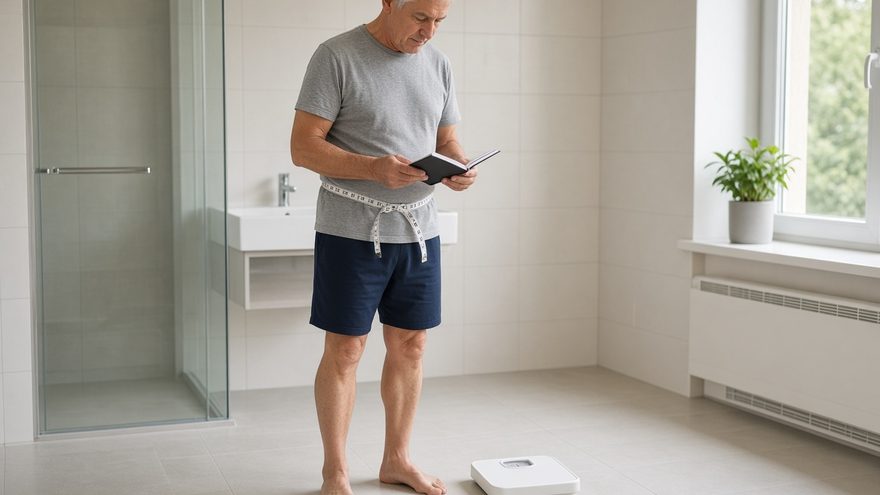
Where BMI falls short
Muscle, age, and waist can change the story the index tells.

BMI across adult ages
One adult chart, blunter after midlife.

BMI and length of life
Group curves, not a personal forecast.
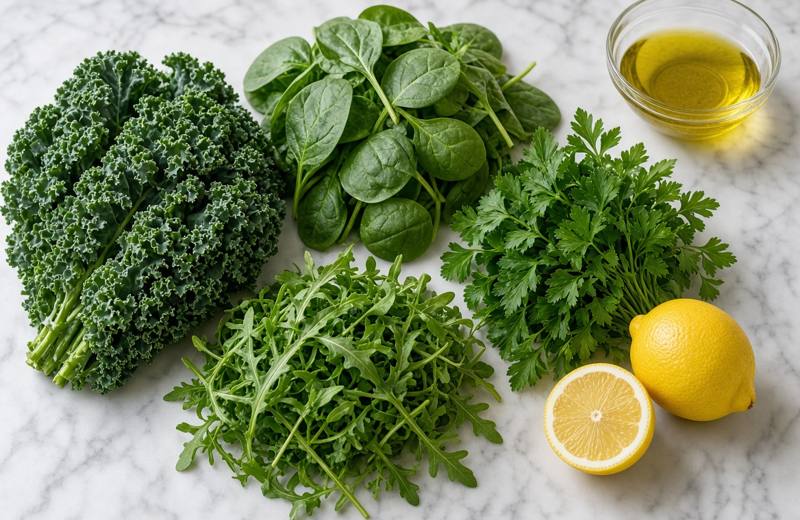
Anti-inflammatory foods
Greens, olive oil, fish, berries, and nuts to cook with this week.
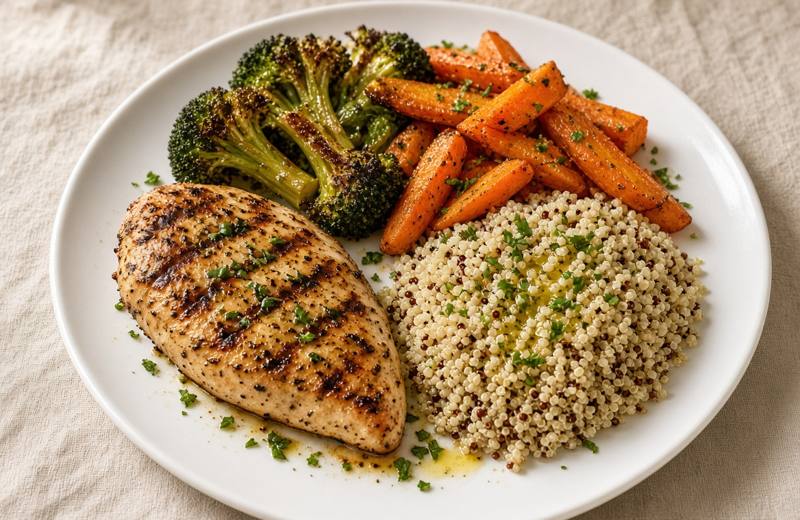
A simple meal framework
Build a plate you can repeat. Check calories if you want a range.
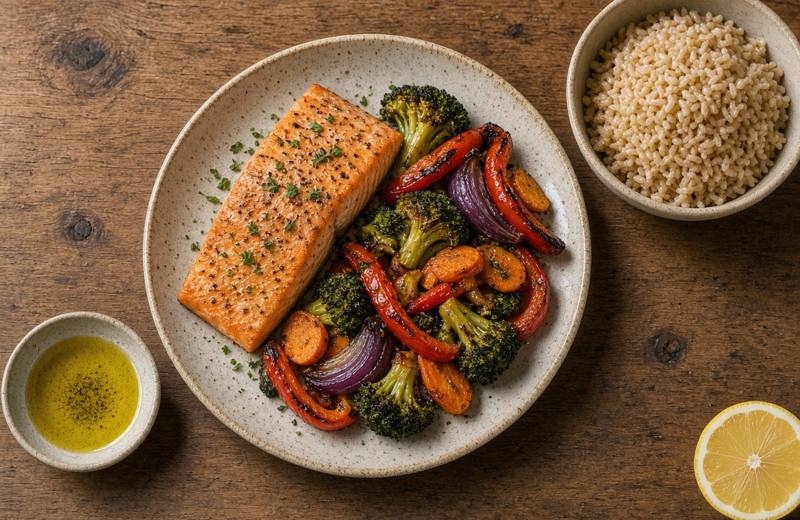
Calorie-aware weeknight dinners
Three plates that fit a modest energy target without a crash menu.
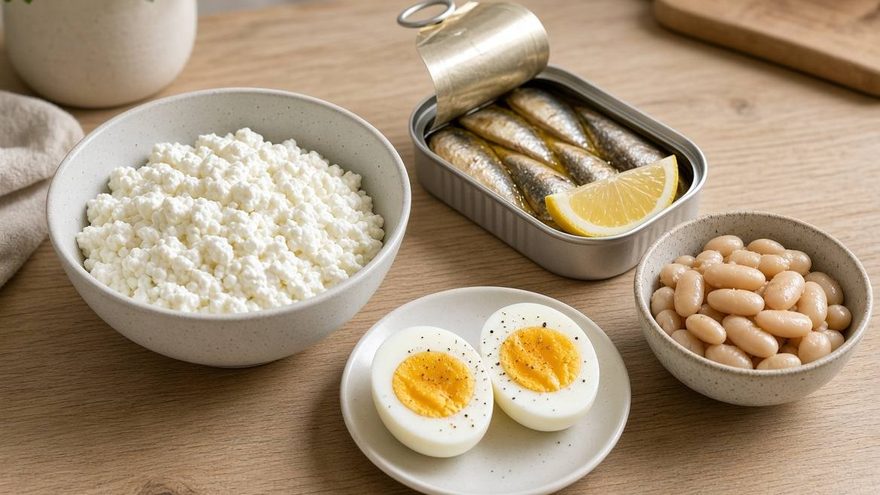
Protein at each meal
Palms of food, not a powder as the default.
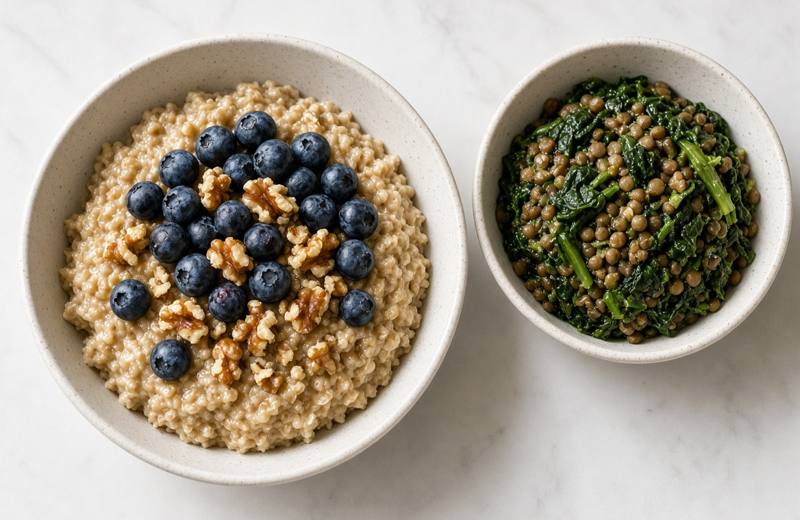
High-fiber foods
Oats, beans, greens — added slowly.
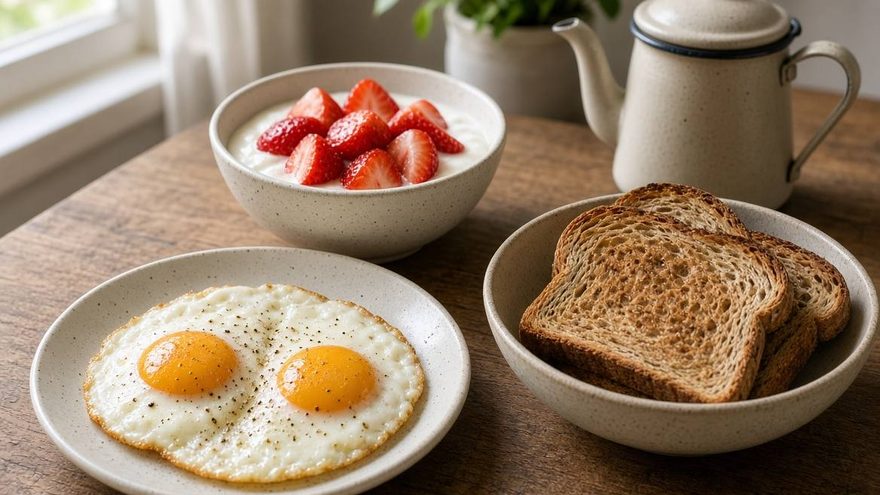
Breakfasts you can repeat
Three patterns. Interest can wait until dinner.

A grocery list that looks like food
Eggs, tins, frozen vegetables, oil.

A quiet Mediterranean-style week
Plants and oil without a holiday fantasy.

Gentle knee mobility
Seated and standing options with stop rules.

Lower-back stiffness at home
Cat-camel, hip hinges, and walking.

Hip mobility at home
Hinges and bridges next to a chair.

Neck and shoulder tension
Small desk-friendly ranges. No head spinning.

Balance at the counter
Fall-aware drills you can grab for.
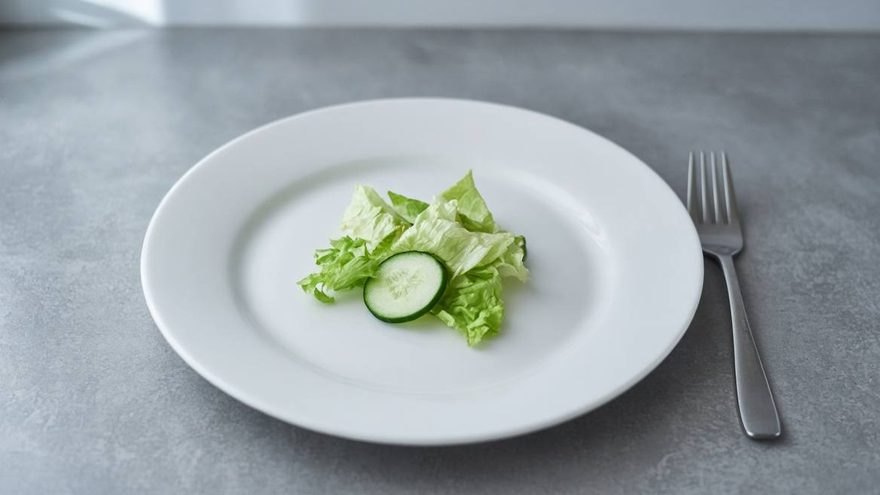
Why crash diets fail
Water, muscle, hunger, rebound.
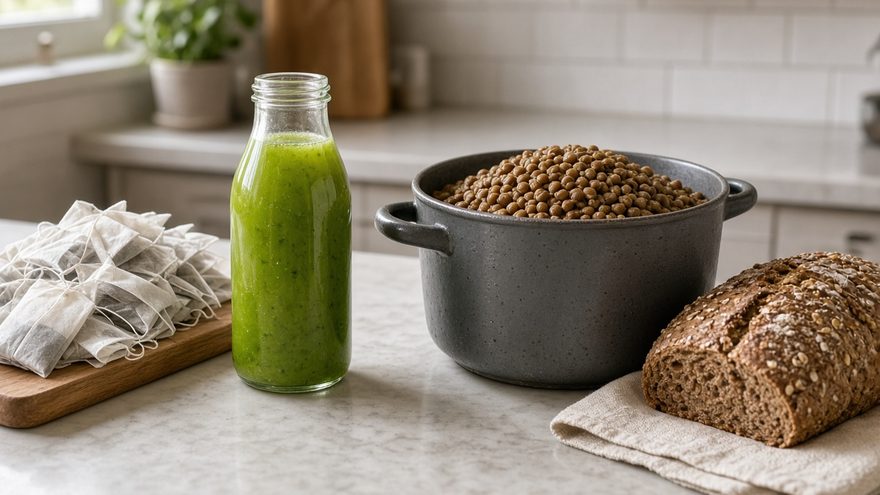
Teas, wraps, shortcuts
What those products are usually doing.
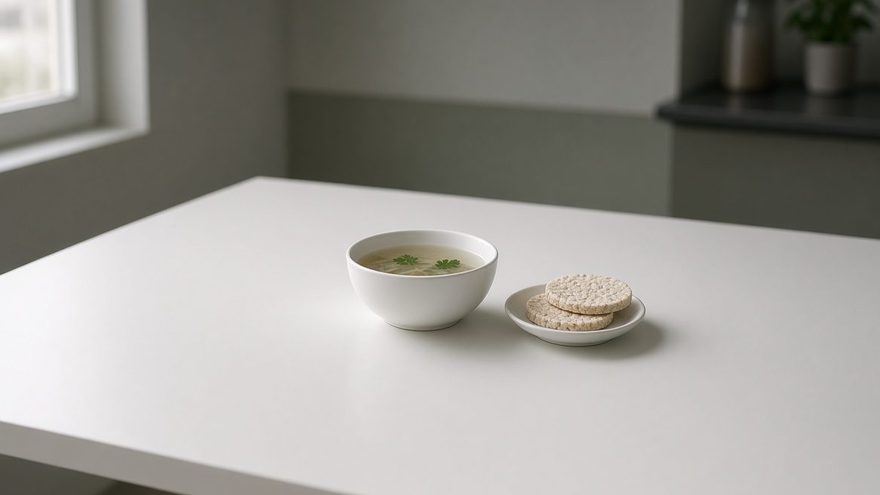
Extreme calorie cuts
Why eating at BMR costs muscle.
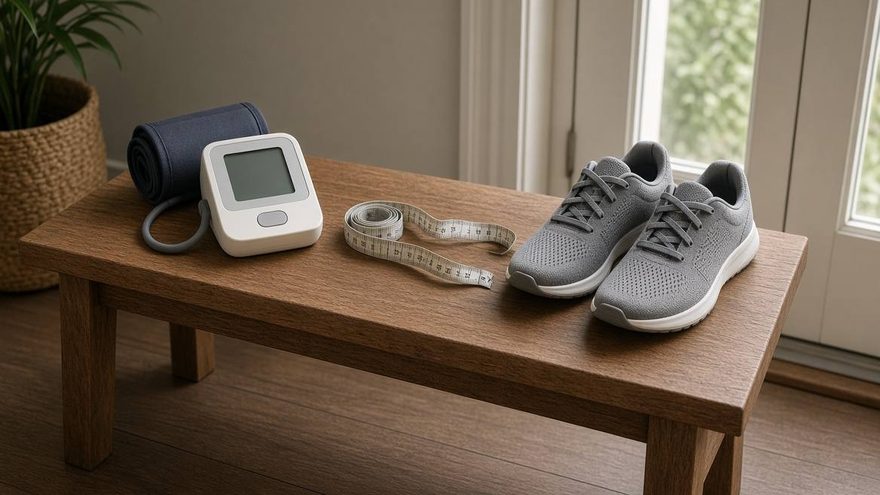
Adult health indicators
Size, waist, pressure, movement — in plain language.
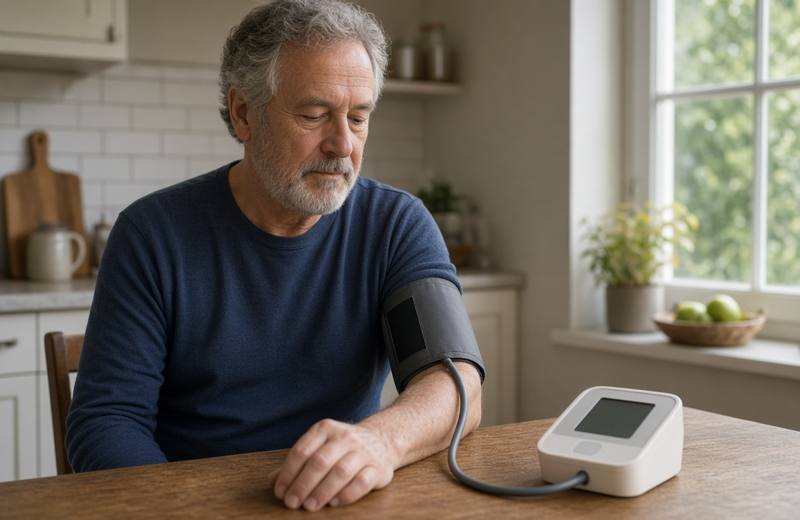
Home blood pressure
Upper-arm cuff technique.
Heart rate and wearables
What a watch can and cannot say.

Daily metrics worth writing
Waist, walks, occasional weight.